
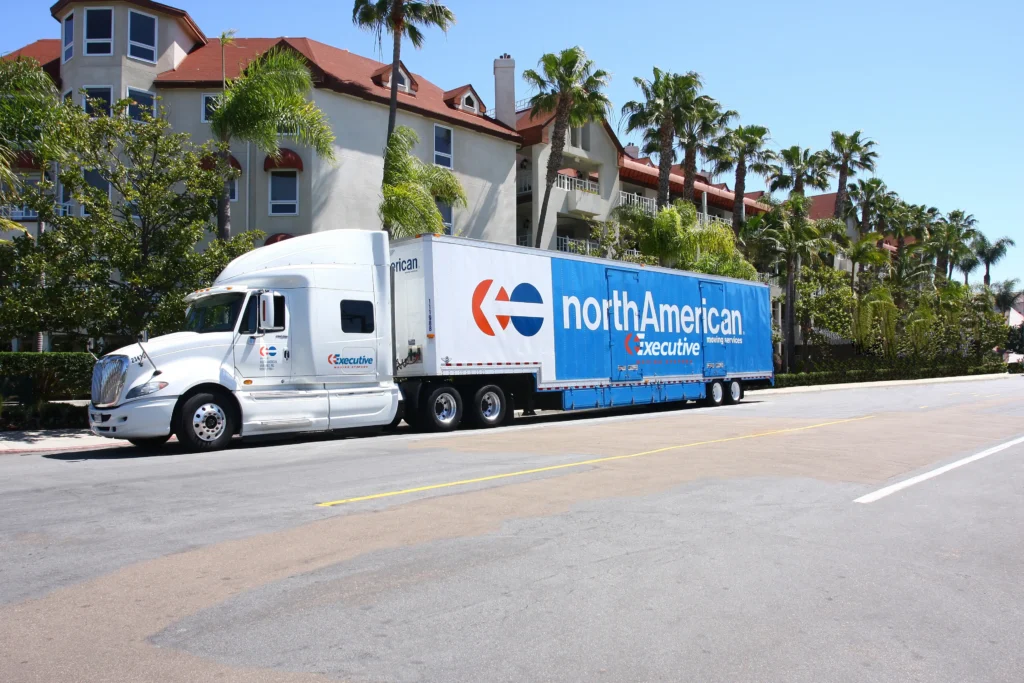
Is California losing residents at an unprecedented rate? As we move through 2026, the trend of Californians relocating to other states continues to accelerate. If you’re an Orange County or Los Angeles resident considering an out-of-state move, you’re not alone—and this comprehensive guide explains why people are leaving, where they’re going, what it costs, and how to make your interstate move successful.
Ready to explore your options? Call (714) 688-4800 for a free consultation.
Are People Really Leaving California in Large Numbers?
What do the latest statistics show? California continues to experience significant outbound migration in 2026, with the trend accelerating from previous years.
2026 California Migration Statistics
Current data shows:
- California remains the #1 outbound state for interstate moves
- Approximately 400,000-500,000 residents leave California annually
- Orange County and Los Angeles County lead California’s outbound migration
- 70% of moves are to just five states: Texas, Arizona, Nevada, Florida, and Tennessee
- Middle-income families represent the largest demographic leaving
- Remote workers comprise 35% of California departures
Historical context:
- 2020-2021: Pandemic accelerated California exodus
- 2022-2023: Migration continued despite economic concerns
- 2024-2025: Trend solidified as permanent lifestyle shift
- 2026: Migration reaches new peak as affordability gap widens
Why this matters: California’s population decline signals major economic and lifestyle factors driving residents to seek opportunities elsewhere.
Why Are Orange County & Los Angeles Residents Leaving California?
What’s driving this mass exodus? Multiple interconnected factors make leaving California increasingly attractive for Orange County and LA residents.
Cost of Living Crisis
Housing Costs Are Unsustainable
California’s housing market has reached unprecedented levels:
- Median home price in Orange County: $1,100,000+ (2026)
- Median home price in Los Angeles: $900,000+ (2026)
- Average monthly rent (2-bedroom): $3,500-$4,500 in coastal areas
- Down payment required: $220,000+ for median OC home
Compare to destination states:
- Texas median home: $350,000 (68% less than Orange County)
- Arizona median home: $425,000 (61% less than Orange County)
- Nevada median home: $450,000 (59% less than Orange County)
Real-world example: A $1.2M home in Irvine buys a 5,000+ sq ft estate with pool in Austin suburbs.
High State Income Tax
California’s tax burden drives departures:
California state income tax:
- Top bracket: 13.3% (highest in the nation)
- Applies to income over $1 million
- Middle-income families pay 9.3% on income over $68,350
Destination states with NO state income tax:
- Texas: 0% state income tax
- Nevada: 0% state income tax
- Florida: 0% state income tax
- Tennessee: 0% state income tax
- Washington: 0% state income tax
Annual savings example: A household earning $200,000 saves approximately $15,000-$20,000 annually by moving to a no-tax state.
Quality of Life Factors
What lifestyle issues drive migration?
Traffic and Commute Times:
- Average LA commute: 45-60 minutes each way
- Orange County I-5/405 congestion among nation’s worst
- Destination states offer 20-30 minute average commutes
Public Safety Concerns:
- Rising property crime in urban areas
- Visible homelessness in major cities
- Perception of declining public safety
Education Challenges:
- Public school performance concerns
- Rising private school costs ($20,000-$40,000 annually)
- Better public schools in destination states
Business Climate:
- Heavy regulation and compliance costs
- High commercial property costs
- Difficult permitting and licensing
Remote Work Revolution
How has remote work changed everything?
2026 remote work statistics:
- 40% of California professionals work remotely full-time
- Geographic arbitrage allows keeping California salaries while living elsewhere
- Companies increasingly allow permanent remote status
- Tech industry leads remote work adoption
Financial impact of geographic arbitrage:
- Keep $150,000 California tech salary
- Move to Texas with 45% lower cost of living
- Effective purchasing power increases to $270,000+
Call to discuss your remote work relocation: (714) 688-4800
Where Are Orange County & Los Angeles Residents Moving?
What are the most popular destination states in 2026? Data shows clear patterns in where Californians relocate.
#1 Destination: Texas
Why Texas leads California migration:
Statistics:
- 150,000+ Californians moved to Texas in 2025
- Austin, Dallas, Houston, and San Antonio top destination cities
- No state income tax saves families $10,000-$25,000 annually
- Median home price 60-70% lower than California
What attracts Orange County/LA residents to Texas:
Austin Area:
- Thriving tech industry (Apple, Tesla, Oracle, Google)
- Vibrant culture and entertainment scene
- Excellent food and music
- Growing California transplant community
- Median home price: $550,000
Dallas-Fort Worth:
- Major corporate headquarters (Toyota, Liberty Mutual, State Farm)
- Diverse economy with strong job market
- Excellent school districts in suburbs
- Family-friendly master-planned communities
- Median home price: $400,000
Houston Area:
- Energy industry and medical center jobs
- Most affordable major Texas metro
- International diversity and cuisine
- No zoning creates unique neighborhoods
- Median home price: $320,000
San Antonio:
- Lower cost of living than other Texas cities
- Military-friendly (multiple bases)
- Rich history and culture
- Growing tech and healthcare sectors
- Median home price: $290,000
Moving from OC/LA to Texas costs: $6,000-$11,000 for typical 3-bedroom home
#2 Destination: Arizona
Why Arizona attracts Southern California residents:
Statistics:
- 70,000+ Californians relocated to Arizona in 2025
- Phoenix and Tucson dominant destinations
- Close proximity to California (4-6 hour drive)
- 60% lower housing costs than Orange County
What makes Arizona appealing:
Phoenix Metro:
- Year-round warm weather (similar to SoCal)
- Rapidly growing job market (tech, healthcare, manufacturing)
- Lower taxes and business-friendly environment
- Scottsdale offers luxury living at half California prices
- Median home price: $480,000
Tucson:
- More affordable than Phoenix
- University of Arizona anchors economy
- Authentic Southwest culture
- Outdoor recreation and mountain access
- Median home price: $340,000
Proximity advantage:
- Weekend visits back to California feasible
- Same time zone
- Similar climate and lifestyle
- Easy transition for families
Moving from OC/LA to Arizona costs: $3,500-$6,500 for typical 3-bedroom home
#3 Destination: Nevada
Nevada’s California migration advantages:
Statistics:
- 55,000+ Californians moved to Nevada in 2025
- Las Vegas and Reno primary destinations
- No state income tax (same as California savings as Texas)
- Closest major destination to Southern California
Why Nevada works for Californians:
Las Vegas Metro:
- Entertainment and hospitality industry jobs
- Growing tech sector and corporate relocations
- Affordable housing compared to California
- World-class dining and entertainment
- Median home price: $450,000
Reno-Tahoe Area:
- Proximity to Lake Tahoe recreation
- Growing tech hub (“Tesla to Tahoe” corridor)
- Four-season climate with actual winter
- California proximity for frequent visits
- Median home price: $520,000
Nevada benefits:
- 3-4 hour drive from Los Angeles
- Easy weekend returns to California
- No state income tax
- Lower overall cost of living
Moving from OC/LA to Nevada costs: $3,000-$6,000 for typical 3-bedroom home
#4 Destination: Colorado
Colorado’s lifestyle appeal:
Statistics:
- 40,000+ Californians relocated to Colorado in 2025
- Denver, Boulder, Colorado Springs, and Fort Collins destinations
- Outdoor lifestyle attracts active families
- Four seasons and mountain recreation
What draws Californians to Colorado:
Denver Metro:
- Strong economy with diverse industries
- Tech and aerospace sectors growing
- Urban culture with mountain access
- Excellent brewery and food scene
- Median home price: $625,000
Boulder:
- University town with educated population
- Tech startup ecosystem
- World-class outdoor recreation
- Health and wellness culture
- Median home price: $850,000 (still less than OC/LA)
Colorado Springs:
- More affordable than Denver/Boulder
- Military presence (Air Force Academy, bases)
- Gateway to mountain recreation
- Family-friendly communities
- Median home price: $485,000
Colorado considerations:
- Higher elevation adjustment period
- Actual winter with snow (appealing to some)
- Active outdoor lifestyle culture
- Growing California transplant community
Moving from OC/LA to Colorado costs: $7,000-$13,000 for typical 3-bedroom home
#5 Destination: Florida
Florida’s growing California migration:
Statistics:
- 35,000+ Californians moved to Florida in 2025
- Tampa, Miami, Orlando, Jacksonville destinations
- No state income tax and beach lifestyle
- Warm weather year-round
Why Florida attracts Californians:
Tampa Bay Area:
- Affordable compared to California beaches
- Growing tech and finance sectors
- Gulf Coast beaches and lifestyle
- No state income tax
- Median home price: $420,000
Miami Metro:
- International business hub
- Latin American connections
- Urban culture and nightlife
- Beach and waterfront living
- Median home price: $580,000
Orlando Area:
- Theme park industry jobs
- Family-friendly communities
- Central Florida affordability
- Growing tech sector
- Median home price: $385,000
Florida benefits:
- Beach lifestyle (like California)
- No winter weather
- No state income tax
- Lower cost of living
Moving from OC/LA to Florida costs: $11,000-$18,000 for typical 3-bedroom home
Other Popular Destinations
Tennessee: Nashville and Knoxville attract 25,000+ Californians annually
- No state income tax
- Music and entertainment culture
- Southern hospitality
- Median home price: $380,000
North Carolina: Charlotte and Raleigh see 22,000+ California arrivals yearly
- Four seasons with mild winters
- Growing tech and banking sectors
- Excellent quality of life
- Median home price: $410,000
Idaho: Boise attracts 18,000+ Californians annually
- Outdoor recreation paradise
- Small-town values
- Lower cost of living
- Median home price: $520,000
Washington: Seattle area receives 15,000+ Californians yearly
- No state income tax
- Tech industry jobs
- Pacific Northwest beauty
- Median home price: $780,000
Get your free interstate moving quote: (714) 688-4800
How Much Does It Cost to Move from Orange County or Los Angeles to Another State?
What should you budget for interstate relocation? Moving costs vary significantly by distance, volume, and services required.
Interstate Moving Cost Factors
Primary cost drivers:
- Weight of household goods (charged per pound for long distance)
- Distance to destination (mileage affects pricing)
- Packing services (professional packing adds cost)
- Storage needs (temporary or long-term)
- Time of year (summer peak season costs more)
- Delivery timing (flexible dates cost less)
Cost by Destination State
From Orange County/Los Angeles:
To Texas (1,400 miles):
- 2-bedroom apartment: $4,500 – $7,000
- 3-bedroom house: $6,500 – $10,500
- 4-bedroom house: $9,000 – $14,000
- 5+ bedroom house: $13,000 – $20,000
To Arizona (350 miles):
- 2-bedroom apartment: $2,500 – $4,500
- 3-bedroom house: $3,500 – $6,500
- 4-bedroom house: $5,000 – $9,000
- 5+ bedroom house: $7,500 – $12,000
To Nevada (270 miles):
- 2-bedroom apartment: $2,200 – $4,000
- 3-bedroom house: $3,000 – $6,000
- 4-bedroom house: $4,500 – $8,000
- 5+ bedroom house: $6,500 – $10,500
To Colorado (1,100 miles):
- 2-bedroom apartment: $4,000 – $6,500
- 3-bedroom house: $6,000 – $10,000
- 4-bedroom house: $8,500 – $13,500
- 5+ bedroom house: $12,000 – $18,000
To Florida (2,700 miles):
- 2-bedroom apartment: $6,000 – $10,000
- 3-bedroom house: $9,000 – $14,000
- 4-bedroom house: $12,000 – $19,000
- 5+ bedroom house: $16,000 – $26,000
What’s Included in Moving Costs
Standard interstate move includes: ✓ Professional loading and transportation ✓ Safe cross-country delivery ✓ Basic furniture disassembly/reassembly ✓ Standard furniture padding ✓ Real-time GPS tracking ✓ Basic carrier liability insurance
Additional costs to consider:
- Professional packing: $800 – $3,000
- Custom crating for valuables: $200 – $1,000+
- Full value protection insurance: 1-2% of declared value
- Storage: $100 – $300 per month
- Vehicle shipping: $800 – $1,500 per car
- Temporary housing: $100 – $200 per night
Hidden Costs of Moving Out of State
Don’t forget these expenses:
Immediate costs:
- Travel to new state (flights, hotels, meals)
- Temporary lodging while house-hunting
- Rental deposits and application fees
- Utility connection fees
- Vehicle registration and new driver’s licenses
Ongoing adjustments:
- Higher homeowners insurance in some states
- Different auto insurance rates
- Healthcare provider changes
- New school costs if applicable
Schedule your detailed estimate: (714) 688-4800
What Should You Know Before Moving from California to Another State?
How do you prepare for interstate relocation? Understanding key differences helps ensure successful transitions.
Financial Considerations
Tax implications:
- Establish residency in new state for tax purposes
- Update withholding with employer
- Understand property tax differences
- Research sales tax variations
- Consider estate planning changes
Cost of living adjustments:
- Housing: 40-70% less in most destination states
- Groceries: 10-25% less than California
- Utilities: Varies by state (AC costs in hot climates)
- Transportation: Lower gas and insurance typically
- Entertainment: Generally less expensive
Lifestyle Adjustments
Climate differences:
- Texas/Arizona: Hot summers (100°F+), mild winters
- Nevada: Desert climate, hot summers, cool winters
- Colorado: Four seasons, snow, altitude adjustment
- Florida: Hot/humid summers, hurricane season
- Tennessee/North Carolina: True four seasons, humidity
Culture changes:
- Different pace of life (generally slower)
- Regional customs and etiquette
- Local food and cuisine variations
- Social norms and community engagement
- Political climate differences
Employment Considerations
For remote workers:
- Confirm permanent remote work status in writing
- Understand any salary adjustments for location
- Clarify home office expense policies
- Maintain communication with California team
- Consider time zone differences for meetings
For job seekers:
- Research job market in destination city before moving
- Network with industry professionals there
- Consider temporary relocation to job hunt
- Understand local salary ranges (typically lower than CA)
- Research major employers and growth industries
Housing Market Differences
What to expect:
- Faster transactions in many markets (30 vs. 45-60 days)
- Lower competition than California
- More inventory available in most markets
- Different inspection standards by state
- Property tax variations (Texas high, Nevada low)
- HOA prevalence (common in Texas, less elsewhere)
Family Considerations
Schools:
- Research school districts before choosing neighborhood
- Public school quality varies significantly by state
- Some states have strong school choice/charter options
- Understand curriculum and testing differences
- Consider extracurricular program availability
Healthcare:
- Find new doctors and specialists
- Transfer medical records
- Understand insurance network changes
- Research hospital quality in destination area
- Consider proximity to medical facilities
How Do You Plan a Successful Interstate Move from Orange County or Los Angeles?
What’s the process for moving out of state? Proper planning ensures smooth relocation from California.
12-Week Moving Timeline
12-10 Weeks Before:
- Research destination cities thoroughly
- Visit potential new locations if possible
- Research and compare moving companies
- Get moving estimates from reputable movers
- Begin decluttering and organizing
- Start job search if not relocating with current employer
10-8 Weeks Before:
- Book your moving company (don’t delay!)
- Begin house hunting in destination state
- Research schools if you have children
- Notify current employer of relocation plans
- Start organizing important documents
- Research vehicle registration requirements
8-6 Weeks Before:
- Finalize housing in destination state
- Schedule utility disconnections in California
- Schedule utility connections at new location
- Notify schools about student transfers
- Begin packing non-essential items
- Research healthcare providers in new area
6-4 Weeks Before:
- Confirm all moving logistics with moving company
- Transfer medical and dental records
- Update address with important institutions
- Schedule packing services if using them
- Arrange vehicle shipping if needed
- Research new state DMV requirements
4-2 Weeks Before:
- Pack majority of belongings
- Use up frozen food and perishables
- Confirm moving day details
- Prepare important documents for travel
- Arrange temporary lodging if needed
- Say goodbye to friends and neighbors
2 Weeks-Moving Day:
- Pack essentials box for first few days
- Clean current home
- Complete final walkthrough
- Confirm delivery details at destination
- Prepare payment for movers
- Plan route to new state
What Documents You Need
Essential paperwork for interstate move:
Personal documents:
- Birth certificates for all family members
- Social Security cards
- Passports
- Marriage certificate/divorce decrees
- Children’s school records
- Medical records and prescriptions
- Pet vaccination records
- Vehicle titles and registration
- Insurance policies (all types)
Financial documents:
- Bank statements and account information
- Investment and retirement account info
- Tax returns (last 3 years)
- Mortgage/rental documents
- Employment contracts or offer letters
Moving documents:
- Moving company contract and estimate
- Inventory list of all belongings
- Insurance coverage information
- Storage facility details if applicable
Changing Your Address
Who to notify about your move:
Government agencies:
- US Postal Service (forward mail)
- IRS (update tax records)
- Social Security Administration
- New state DMV (within required timeframe)
- Voter registration (new state)
Financial institutions:
- Banks and credit unions
- Credit card companies
- Investment and retirement accounts
- Insurance companies (auto, home, life, health)
- Mortgage lender or landlord
Service providers:
- Utilities (electric, gas, water, trash)
- Internet and cable/streaming services
- Phone service providers
- Subscription services
- Professional associations and memberships
Personal:
- Employer (HR department)
- Schools and universities
- Healthcare providers
- Dentist and specialists
- Veterinarian
- Friends and family
Ready to start your planning? Call (714) 688-4800 for expert guidance!
What Are the Pros and Cons of Leaving California?
Should you really leave California? Understanding both sides helps make informed decisions.
Advantages of Leaving California
Financial benefits: ✓ 40-70% lower housing costs in most destination states ✓ $10,000-$25,000 annual tax savings in no-income-tax states ✓ Lower cost of living (groceries, gas, utilities) ✓ More house for your money (upgrade significantly) ✓ Lower auto insurance in most states ✓ Reduced daily expenses across the board
Lifestyle improvements: ✓ Shorter commutes (20-30 minutes vs. 60+ minutes) ✓ Less traffic congestion in most metros ✓ More space (larger homes, bigger yards) ✓ Four seasons in many destination states ✓ Lower population density in most areas ✓ Different pace of life (often less stressful)
Career opportunities: ✓ Growing job markets in many destination cities ✓ Lower business costs for entrepreneurs ✓ Remote work makes this easier than ever ✓ Geographic arbitrage (CA salary, lower cost of living)
Disadvantages of Leaving California
What you might miss:
Climate: ✗ Perfect weather year-round (70-80°F most days) ✗ No extreme weather (hurricanes, tornadoes, humidity) ✗ Beach access (Pacific Ocean) ✗ Outdoor activities available all year
Culture and amenities: ✗ World-class dining and food diversity ✗ Entertainment options (concerts, sports, events) ✗ Cultural diversity and international communities ✗ Progressive policies and social attitudes ✗ California’s unique culture and identity
Proximity: ✗ Distance from family and friends remaining in California ✗ Long flights back to visit ✗ Time zone differences for some destinations ✗ Established social networks and communities
Professional: ✗ Industry clusters (tech, entertainment, biotech) ✗ Networking opportunities in major industries ✗ Career advancement paths in specialized fields ✗ Salary levels (typically higher in California)
Who Should Stay in California?
California still makes sense if:
- Your career requires physical presence in California industries
- Family obligations keep you in state
- You love California’s specific climate and culture
- Your financial situation supports California costs
- You’re established in your community and happy
- Work opportunities aren’t transferable to other states
Who Should Consider Leaving?
Relocation makes sense if:
- Housing costs prevent homeownership or force downsizing
- Remote work eliminates need for California presence
- Ready for lifestyle change and new experiences
- Want to live debt-free or increase savings
- Seeking better schools or family environment
- Business opportunities exist in destination states
- Ready for geographic arbitrage advantages
Why Choose Executive Moving Systems for Your California Exit?
What makes us the right choice for interstate moves? Four decades of experience moving Californians nationwide.
Orange County & Los Angeles Expertise
We know Southern California:
- 40+ years serving Orange County and Los Angeles
- Deep knowledge of every neighborhood and community
- Understanding of California moving challenges
- Established relationships throughout Southern California
- Thousands of successful California-to-other-state moves
North American Van Lines Partnership
National network with local service:
- Certified North American Van Lines Agent
- Access to nationwide moving network
- Professional interstate moving standards
- Real-time GPS tracking on all long distance moves
- Comprehensive insurance options
- Quality assurance and accountability
Complete Interstate Moving Services
Everything you need for California exit:
- Professional packing and custom crating
- Secure cross-country transportation
- Storage solutions (origin and destination)
- Vehicle shipping coordination
- Full-service or partial service options
- Flexible delivery windows
Licensed and Insured Excellence
Complete protection:
- California PUC T-166-469 licensed
- USDOT licensed for interstate moves
- Comprehensive liability insurance
- Full value protection available
- Professional moving standards
- 40+ years of trusted service
Call California’s trusted interstate movers: (714) 688-4800
Frequently Asked Questions: Leaving California in 2026
How far in advance should I book interstate movers?
Book 6-8 weeks in advance for optimal scheduling, especially during peak season (May-September). Last-minute moves possible but may have limited availability.
Should I ship my car or drive it to my new state?
Depends on distance and number of vehicles. Many families drive one car and ship others. We coordinate with auto transport partners for convenient vehicle shipping.
What items can’t be moved interstate?
Hazardous materials (paint, propane, chemicals), perishable food, plants, pets, and ammunition. We provide complete prohibited items list during consultation.
How long does interstate moving take?
Transit times vary by distance: 3-5 days to Arizona/Nevada, 5-7 days to Texas/Colorado, 7-10 days to East Coast. We provide specific timeframes for your destination.
Do you provide storage during transition?
Yes, we have secure, climate-controlled storage in Anaheim. Many California exits require temporary storage while closing on new homes.
What’s the best time of year to move out of California?
September through April offers better rates and availability (off-peak season). Summer is busiest and most expensive but works for families with school-age children.
How do I get an accurate moving estimate?
Schedule free in-home estimate where we assess your belongings, discuss requirements, and provide detailed written quote with transparent pricing.
Can you help with international moves if I’m leaving the US?
Yes, we’re RIM International certified for overseas relocations with expertise in customs, documentation, and global logistics.
What if my new home isn’t ready when my California home closes?
We provide storage solutions in Anaheim or at destination. Many California exits involve storage during closing gaps.
Do you coordinate with my new state requirements?
While we handle moving logistics, you’re responsible for new state vehicle registration, driver’s licenses, and residency establishment within required timeframes.
Ready to Plan Your California Exit?
Get Your Free Interstate Moving Estimate Today
Thousands of Orange County and Los Angeles residents have successfully relocated to other states with our help. You can too.
📞 Call Now: (714) 688-4800
Speak with interstate moving specialists who understand California exits. Get immediate answers and schedule your free detailed estimate.
📧 Email: justin@executivemovingsystems.com
Send details about your planned relocation. Include destination state, approximate home size, and desired timeframe.
🏢 Visit Our Anaheim Office:
Executive Moving Systems
2910 E White Star Ave
Anaheim, CA 92806
Office Hours:
Monday-Friday: 7:30 AM – 4:00 PM
Saturday: 8:00 AM – 2:00 PM
Sunday: Closed
What Happens When You Contact Us?
Your next steps:
- Initial consultation – Discuss your destination and timeline
- Free in-home estimate – Professional assessment of belongings
- Detailed written quote – Transparent pricing, no hidden fees
- Moving plan development – Customized timeline and logistics
- Professional execution – Expert service from start to finish
Start Your New Chapter Today
California’s high costs and challenges are driving record migration. Whether you’re heading to Texas for affordability, Arizona for proximity, Colorado for lifestyle, or anywhere else in America, we make your interstate move smooth and successful.
Don’t let California’s costs hold you back from the life you want.
Call (714) 688-4800 right now to start planning your California exit.
Your new life is waiting. We’ll help you get there.
Executive Moving Systems | California Interstate Moving Specialists | Serving Orange County & Los Angeles Since 1983 | North American Van Lines Certified Agent | Licensed USDOT & California PUC | 40+ Years Moving Californians to Better Opportunities Nationwide | Call (714) 688-4800